 English
Riser VCD
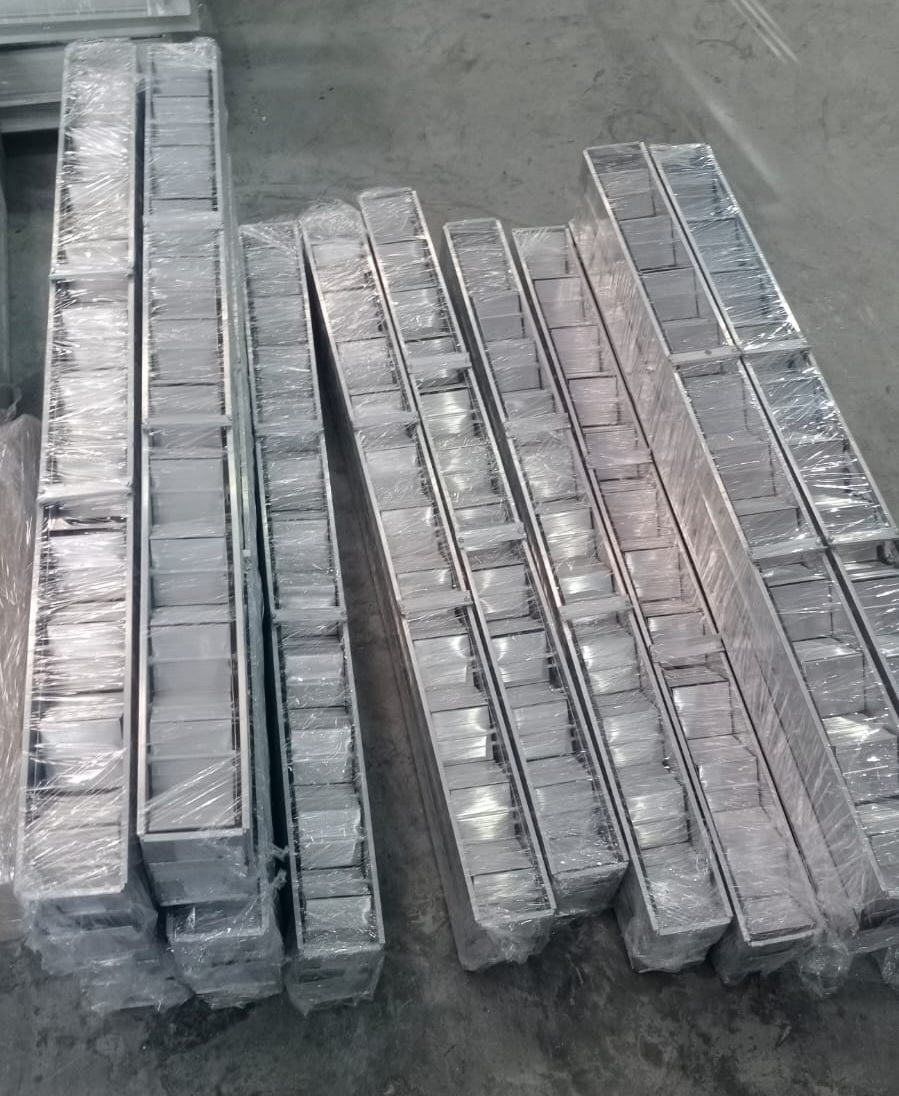
A Riser VCD refers to a Return Air Riser equipped with a Volume Control Damper (VCD), a system commonly used in Heating, Ventilation, and Air Conditioning (HVAC) applications, particularly in cleanrooms, commercial buildings, and industrial settings.
Components
- Riser: In this context, the "riser" is a vertical pathway or duct (specifically a return air riser) that channels used air back into the HVAC system for cleaning, refreshing, and eventual recirculation.
- VCD (Volume Control Damper): This is a mechanical device, typically integrated within the riser or associated ductwork, that uses adjustable blades to regulate or control the volume of air flowing through it.
Function and Purpose
The primary function of a Riser VCD is to provide precise control over the airflow within a specific zone or section of a building's ventilation system. This allows for:
- Airflow Management: Balancing the air distribution throughout the entire duct system to ensure optimal air quality and comfort levels in different areas.
- Energy Efficiency: Preventing the over-conditioning (heating or cooling) of certain spaces by directing conditioned air only where it is needed, which reduces the overall load on the HVAC system and lowers energy costs.
- Zonal Control: Enabling individual control of airflow to different zones, which is particularly useful in large buildings or cleanrooms with varying requirements.
- Integration: Often used in conjunction with filters and grills in return air modules for cleanroom applications, ensuring that air is properly filtered before being returned to the main system.
Riser VCDs can be operated manually using a handle or hand quadrant, or they can be motorized and integrated into a Building Management System (BMS) for automated and remote control.